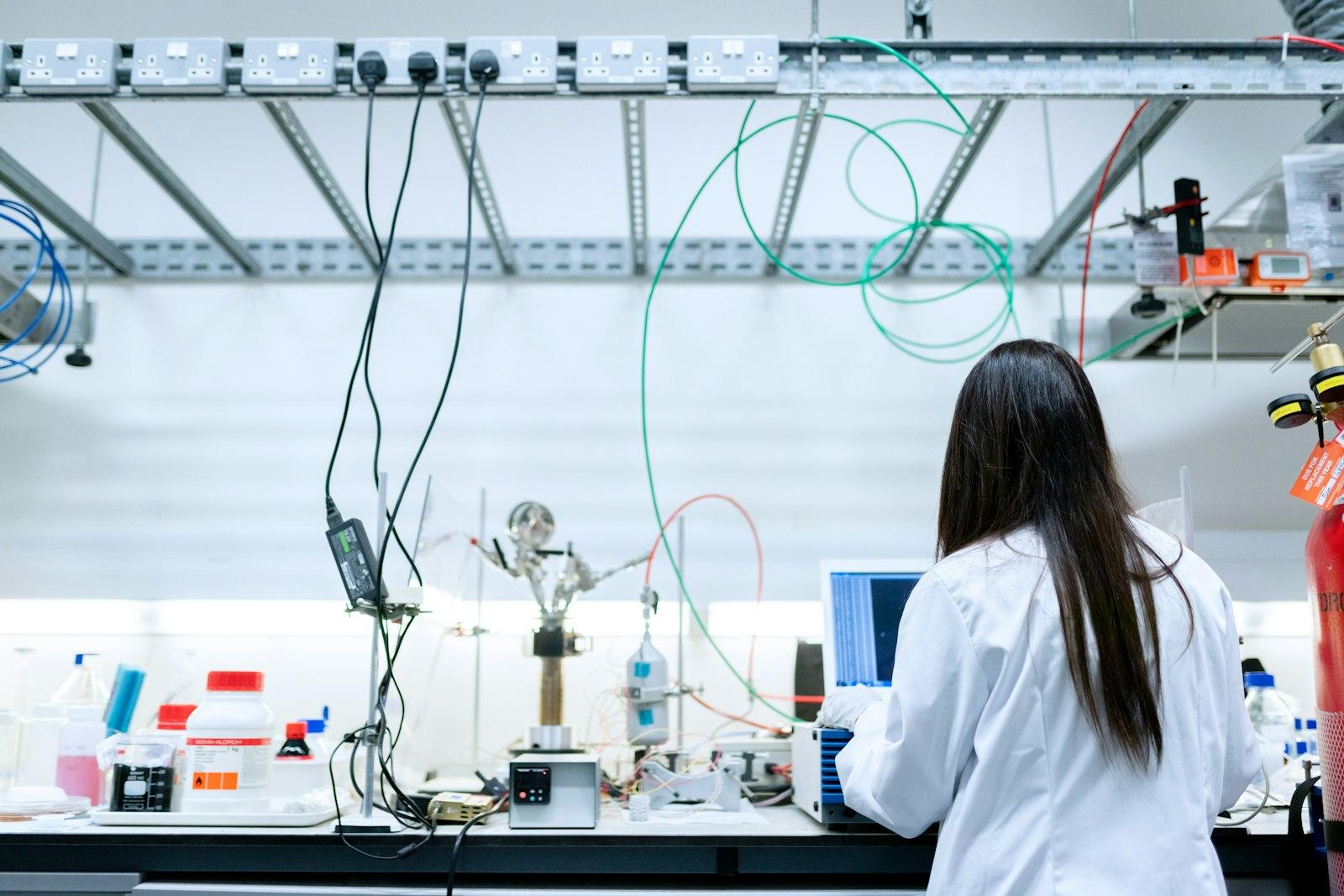
In the “wet lab,” scientists test what computers predict. Photo: ThisisEngineering / Unsplash
A Google DeepMind spin-off just got hired to design cancer drugs with AI. Here is what that means, in plain English.
Imagine you have to find one key that opens one lock. Now imagine the key is smaller than a speck of dust, the lock is hidden inside a human cell, and you have billions of possible keys to try. Oh, and every wrong guess costs you months of work and millions of dollars.
Welcome to the world of drug discovery. It is one of the hardest jobs on the planet. And this month, one of the world’s biggest drug companies decided to hand part of that job to artificial intelligence.
What Just Happened
On November 19, 2026, Merck (known as MSD outside the U.S. and Canada) announced a research partnership with Isomorphic Labs, a company that designs medicines with AI. The goal: find new pill-type cancer drugs aimed at one specific target in the body. The companies have not said which one.
Here is how the work is split:
- Isomorphic Labs does the “thinking.” Its AI system, called IsoDDE, designs candidate drug molecules on a computer. Merck is sharing its own private lab data to help train it.
- Merck does the “doing.” It runs the lab and animal tests, the human trials, the manufacturing and, if all goes well, the selling.
- The money: Isomorphic gets an upfront payment, bonus payments as the project hits goals, and a share of future sales. The dollar amounts were not made public.
Two days earlier, Isomorphic raised $5 billion from investors, including Sequoia Capital and Alphabet, Google’s parent company. Clearly, a lot of smart money thinks this idea has legs.
Who Is Isomorphic Labs?
Isomorphic was founded in 2021 and is led by Sir Demis Hassabis, who also runs Google DeepMind. If that name sounds familiar, it should. Hassabis helped create AlphaFold, an AI that predicts the 3D shape of proteins, the tiny machines that do most of the work inside our bodies. That breakthrough earned him a share of the 2024 Nobel Prize in Chemistry.
Isomorphic’s mission is to take that know-how one step further: not just to understand the shape of the lock, but to design the key.
How Does an AI “Design” a Drug?
Most diseases, including cancer, involve a protein that is behaving badly. Think of that protein as a lock. A drug is a small molecule, a key, built to fit into that lock and switch it off.
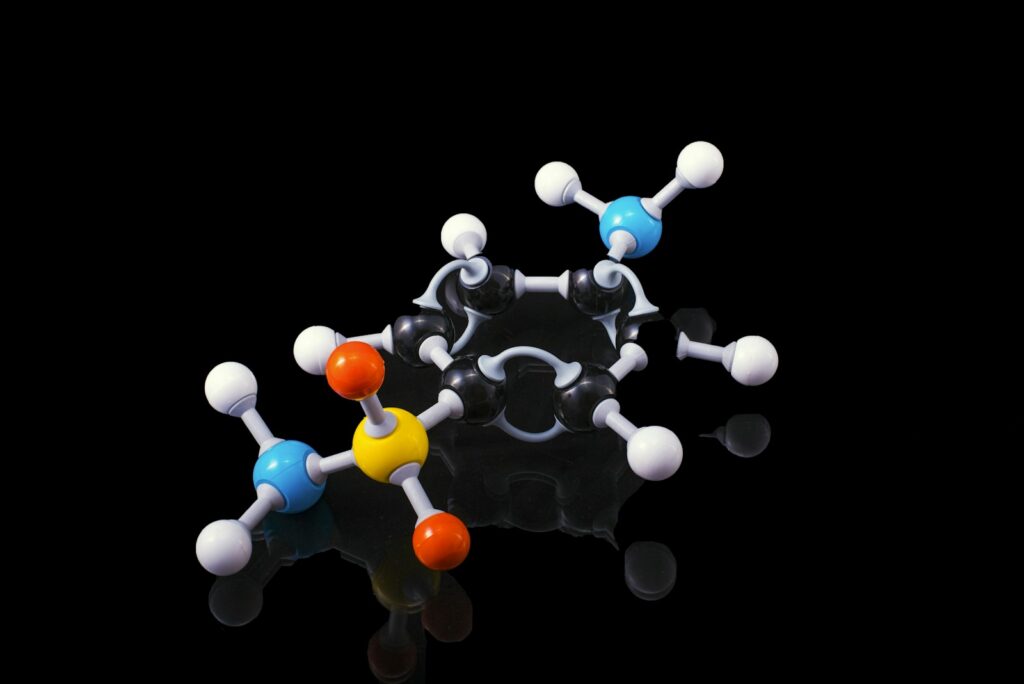
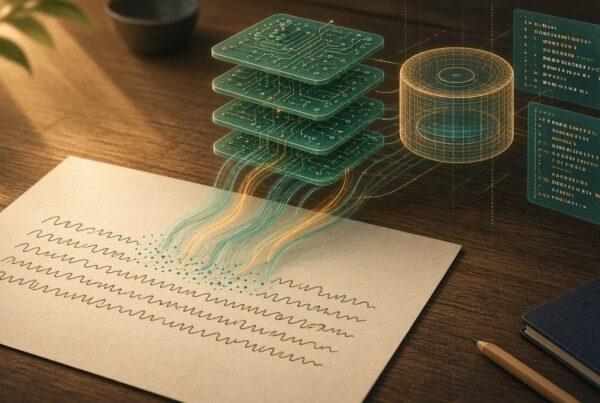
The old way was a bit like trying keys one at a time. Chemists made real molecules in a real lab (scientists call this the “wet lab”) and tested them, over and over. The new way is to test millions of keys on a computer first (the “dry lab”). The AI predicts which shapes will fit best, and chemists only build the most promising few.
Merck’s research chief summed up the plan as “close coordination of wet-lab and dry-lab functions.” In plain English: the computer suggests, the lab checks, and each one makes the other smarter.
Why This Is a Big Deal
Making a new medicine the traditional way is slow, expensive and usually ends in failure:
- Slow: it typically takes about eight to ten years to get a drug from the lab to the pharmacy.
- Expensive: a widely cited Tufts University estimate puts the cost at about $2.6 billion per approved drug, counting all the failures along the way. Other studies come in lower, but every estimate is big.
- Risky: only about 1 in 8 drugs that start human testing ever gets approved.
If AI can weed out the bad keys on a computer, before anyone spends years and millions on them, the whole process could get faster and cheaper. That could mean more new medicines, for more diseases, sooner.
The Reality Check
Before we get carried away, a few honest facts:
- Nothing from this deal has been tested in animals or people yet.
- Isomorphic itself does not yet have a drug in human trials. Its new $5 billion is meant to get its first ones there.
- AI still has blind spots. The same week, OpenAI tested AI models on real drug-chemistry problems. Its best model was nearly perfect at reading molecule drawings, but earned only about half the credit for the hardest part: choosing which molecules are worth making next.
An AI can design a key that looks perfect on screen. Only careful human trials can prove that it actually opens the lock safely, in real people. That part cannot be rushed, and it should not be.
What It Means for You
Nothing changes at your pharmacy today. Any medicine from this partnership is still years away.
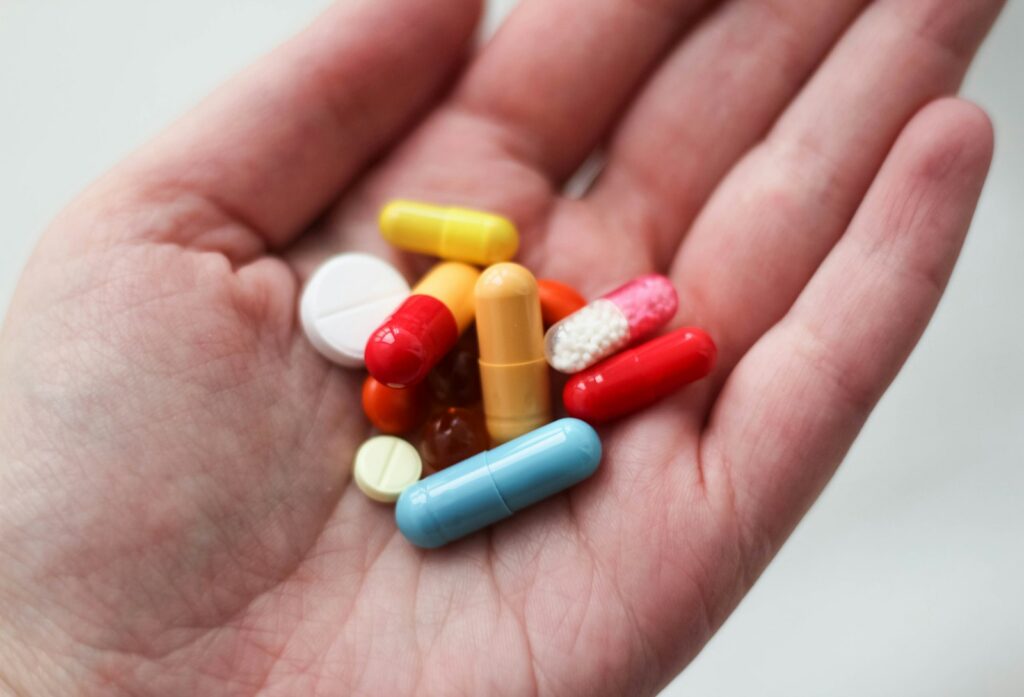
But zoom out, and the picture is exciting. Big drug companies are no longer just experimenting with AI; they are putting their own data, money and reputations behind it. Over the next five to ten years, that could mean new treatments arriving faster, including for diseases that drug makers have struggled with for decades.
One milestone to watch: the day the first AI-designed drug from Isomorphic begins human trials. When that happens, the computer-invented cancer pill will have taken its first real step out of the screen and into the world.
The lock is still hard to pick. But for the first time, we may have a machine that can sort through billions of keys before lunch.








Recent Comments